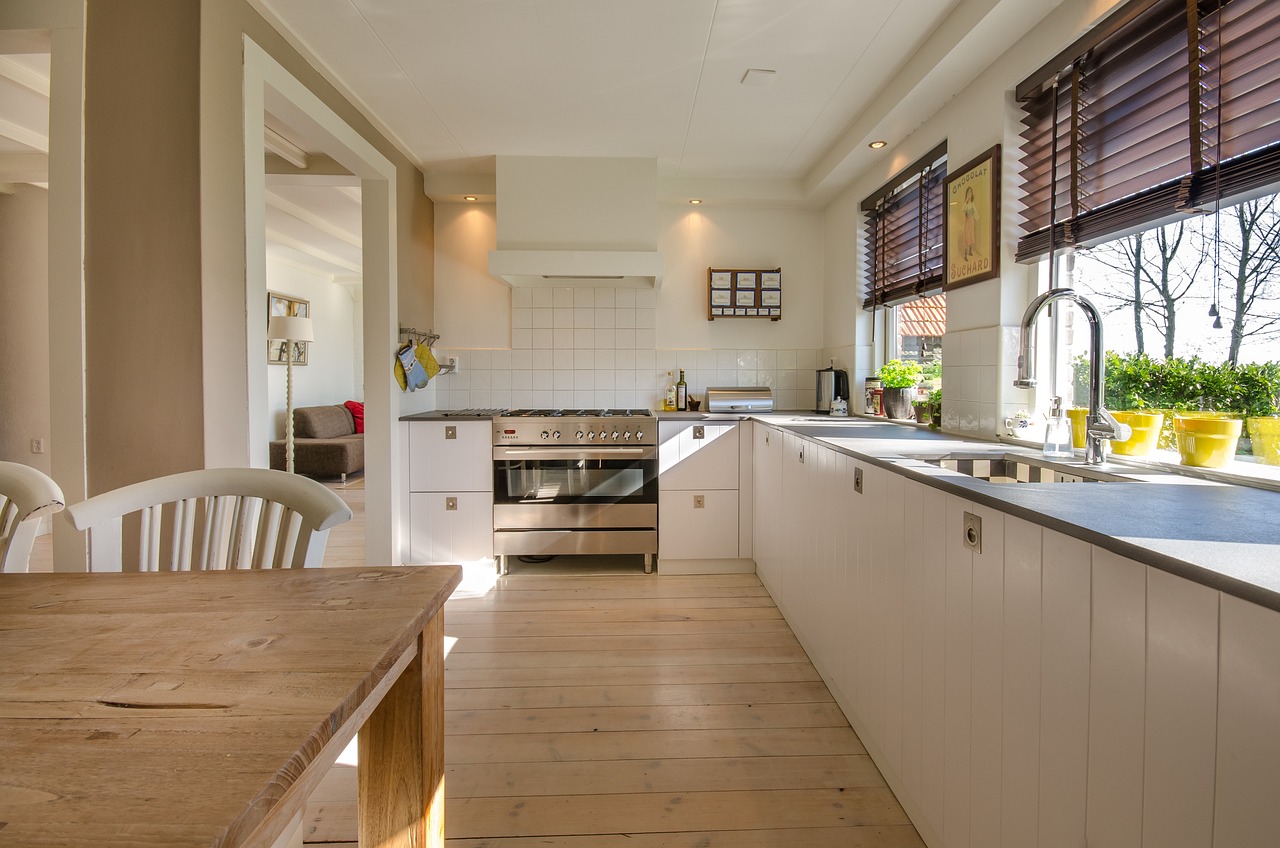

You want a renovation company that delivers quality, stays on budget, and keeps communication clear — and you can find one by knowing what to look for. Choose a firm with proven experience, transparent pricing, and strong project management to avoid costly delays and achieve the outcome you expect.
This article walks through how renovation companies operate, how to compare contractors, and what to prepare before work begins so you can hire with confidence. Expect practical tips on vetting credentials, understanding contracts, and setting clear milestones so your project moves smoothly from design to finish.
Understanding Renovation Companies
You’ll learn what renovation firms do, how to pick one that matches your budget and goals, and how they manage timelines, permits, and subcontractors. Expect clear roles, common service types, and practical tips for hiring and oversight.
Types of Renovation Services
Renovation companies commonly offer full-home remodels, kitchen and bathroom overhauls, and targeted repairs like structural fixes or water‑damage restoration.
Kitchens often include cabinet layout, countertop selection, plumbing and appliance coordination, and lighting plans. Bathrooms typically cover fixture replacement, waterproofing, ventilation upgrades, and tile work.
Many firms also provide:
- Light commercial fit-outs and office refurbishments.
- Historic preservation and sympathetic restorations.
- Exterior work such as siding, windows, and roof repairs.
Ask for specific portfolios and before/after photos. Request itemized scopes for trade work (plumbing, electrical, carpentry) so you can compare bids on the same deliverables.
Choosing the Right Renovation Company
Start by defining your project scope, budget range, and timeline. Use those details to screen companies for relevant experience and recent projects that match your style and complexity.
Verify licensing, insurance, and local permit handling. Check references and read recent customer reviews; contact past clients about adherence to schedule and budget. Get at least three written estimates with the same scope, and compare: materials, labor breakdown, change-order policies, and payment schedules.
Look for clear communication: a single point of contact, written timelines, and a project contract that includes warranties and dispute resolution. Prioritize companies that provide a detailed project plan and documented warranty terms.
Project Management in Renovations
Effective project management keeps work on schedule and prevents cost overruns. Expect a renovation company to provide a project timeline, a sequence of trade activities, and milestones for inspections and approvals.
They should coordinate permits, order long‑lead items (windows, appliances) early, and manage subcontractors’ scheduling. Insist on regular progress updates—weekly site reports or photos—and a log of change orders with price and time impacts.
Risk controls matter: require proof of subcontractor insurance, a safety plan for the site, and a contingency allowance in your budget (typically 10–20%). Use a short, written punch‑list process for final acceptance and tie final payment to completion of agreed items.
Working With Renovation Companies
You’ll need clear costs, a realistic schedule, and proof that the company meets legal and industry standards. Communicate expectations in writing and confirm details before work begins.
Budgeting and Cost Considerations
Get at least three written bids that break out labor, materials, permits, and contingency. Compare line items — a low lump-sum price can hide higher material allowances or omissions.
Build a contingency of 10–20% for unforeseen issues like structural repairs, water damage, or code upgrades. Ask how the contractor handles change orders: require written approval and a revised cost and schedule estimate before work proceeds.
Confirm payment milestones tied to measurable progress (e.g., deposit, after demolition, after rough-in, at substantial completion). Avoid paying more than 10–20% upfront unless the contractor has strong references and bonded insurance.
Verify whether the quoted price includes permits, waste disposal, and final cleaning. If you want high-end finishes, request allowances and sample approvals so you know when selections will trigger extra charges.
Timeline and Process Overview
Request a project schedule with start and finish dates, milestone checkpoints, and expected days for inspections. Ask which tasks are on the critical path (e.g., structural work, rough-in plumbing/electrical) so you can prioritize decisions that affect timing.
Clarify communication norms: who is your daily contact, how often you’ll get progress updates, and preferred channels (text, email, site meetings). Insist on weekly brief status reports during active work.
Plan for inspection windows and lead times on specialty items (custom cabinetry, windows, appliances). Factor weather, permit delays, and subcontractor availability into buffer time. Agree how the contractor will handle site protection and clean-up to minimize disruption.
Licensing and Certifications
Verify the contractor’s business license and trade-specific licenses required by your municipality. Ask for copies and confirm status on the issuing authority’s website when possible.
Check insurance: general liability, workers’ compensation, and, if applicable, surety bond coverage. Request certificates of insurance that name you as an additional insured for the project period.
Review professional certifications and memberships (e.g., renovator associations, manufacturer certifications) that demonstrate trained installers for systems like HVAC or roofing. Call references and inspect recent job sites to confirm workmanship and compliance with local building codes.