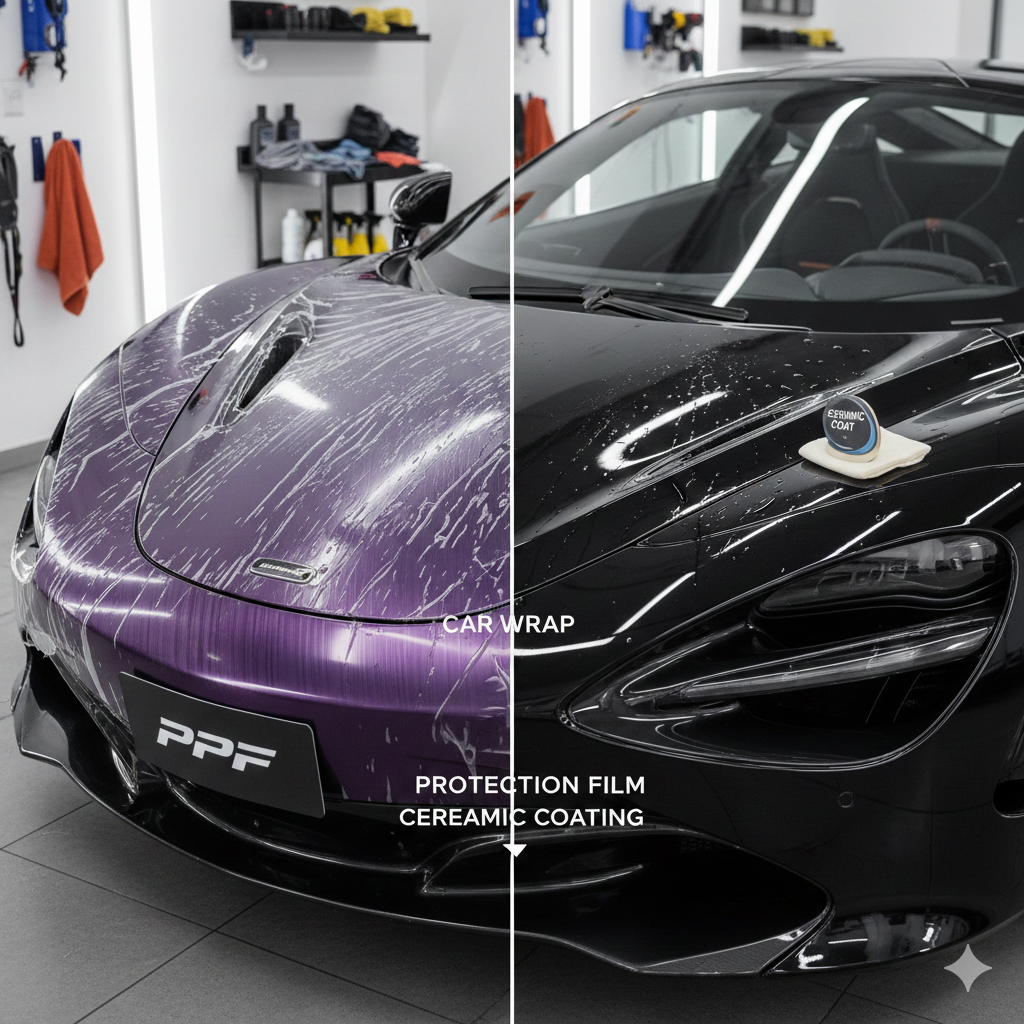
If you want to keep your car’s finish looking new despite Ottawa’s roads, salt, and occasional gravel strikes, Paint Protection Film Ottawa drivers trust provides durable, invisible defense without changing the look of your vehicle. PPF resists rock chips, scratches, UV fading, and road contaminants so your paint stays protected while you drive with confidence.
This article breaks down how PPF Protection works, the real benefits it delivers in Ottawa’s climate, and what to consider when choosing and installing film—materials, warranties, and installer expertise. Expect practical guidance so you can decide whether PPF fits your priorities for protection, resale value, and long-term care.
Benefits of Paint Protection Film in Ottawa
PPF provides a durable barrier that guards painted surfaces, maintains showroom gloss, resists localized weathering, and helps retain market value. The details below explain how those protections work in Ottawa’s driving and climate conditions.
Shielding Against Road Debris
You face frequent rock chips and stone strikes on Ottawa highways and rural routes. High-quality PPF adds an 8–10 mil urethane layer over vulnerable areas—front bumper, hood, fenders, side mirrors—so small stones and gravel hit the film instead of your clearcoat.
The film’s elasticity absorbs and redistributes impact energy, reducing visible chips and preventing paint fractures that require spot repair. That lowers immediate repair costs and avoids the need for sanding and repainting that can mismatch factory finishes.
Many installers map coverage to your driving habits. If you commute on 417 or regularly travel gravel roads, prioritize full-hood and full-bumper coverage. For mostly city driving, edge and mirror protection may be enough.
Preserving Vehicle Appearance
You want a long-lasting glossy finish without frequent polishing. PPF maintains the factory paint’s color depth and gloss because it blocks micro-abrasions from washing, road grit, and incidental contact.
Self-healing topcoats on modern films eliminate fine swirl marks and light scratches when exposed to heat—sunlight or warm water—restoring a smooth surface without mechanical buffing. That keeps your vehicle looking newer between professional detail sessions.
You also avoid spot blends from repaired chips. Since the original paint remains intact under the film, you won’t need repaint touch-ups that can alter color match or texture on small panels.
Weather Resistance
Ottawa’s seasonal extremes stress automotive finishes—winter road salt, late-winter slush, and summer UV exposure. PPF resists chemical etching from salt and bird droppings, reducing the risk of corrosion on exposed edges and paint staining.
High-grade films include UV inhibitors that limit yellowing and prevent clearcoat breakdown from prolonged sun exposure. That means the paint beneath stays protected through hot summers and the film doesn’t haze prematurely.
Proper installation and edge-sealing prevent moisture intrusion during freeze-thaw cycles. Combined with routine washing to remove salt, PPF helps avoid accelerated degradation that commonly affects untreated vehicles in the National Capital Region.
Enhancing Resale Value
When you sell or trade in your car in Ottawa’s competitive market, visible paint damage lowers appraisal value. PPF preserves original factory finish on high‑impact areas that buyers inspect first—hood, bumper, rocker panels—so you can show a well-maintained exterior.
Documented PPF installation and warranty coverage provide proof of protection to prospective buyers or dealers. That documentation, plus photos of protected panels, often translates into better offers or faster sales compared with similar vehicles showing paint wear.
Because the film can be professionally removed without harming the underlying paint, you retain flexibility: keep the protective layer during ownership or remove it to present a pristine, factory surface at resale.
Choosing and Installing Paint Protection Film
Pick a film that matches your priorities—impact resistance, self-healing topcoat, or cosmetic color options—and decide whether to trust a trained installer or tackle a small-area DIY kit yourself.
Types of PPF Available
You’ll find three common PPF categories: standard clear, self-healing, and color/finished films.
- Standard clear PPF focuses on physical protection from rock chips and abrasion. It’s typically thinner and less expensive.
- Self-healing PPF has a polyurethane clearcoat that smooths minor swirl marks and light scratches with heat from the sun or warm water. This reduces visible wear over time.
- Color or gloss-change PPF combines protection with aesthetic change; it’s thicker and often used for full-vehicle coverage when you want a new finish.
Compare film thickness (measured in mils), manufacturer warranty, stain resistance, and UV stability. Request test samples or photos of completed installs on cars with similar paint to yours. Prioritize films with documented adhesion performance on your vehicle’s specific panels.
Professional vs. DIY Installation
For full bumpers, hoods, fenders, and complex curves, professional installation minimizes edge lifting, visible seams, and trapped contaminants. Certified shops use dust-controlled bays, vehicle templates or plotter-cut patterns, and heat guns to achieve factory-fit edges. Expect higher cost but longer-lasting results and warranty coverage.
DIY kits work for small, flat areas or temporary protection; they save money but demand careful surface prep, precision trimming, and often lack warranty. If you attempt DIY, use a clean, climate-controlled space, isopropyl alcohol for prep, a low-tack slip solution, and a squeegee designed for PPF. Avoid intricate panels unless you have practice; mistakes are costly to repair.
Maintenance Tips for Longevity
Wash your vehicle regularly with a pH-neutral soap and a soft microfiber mitt to remove abrasive grit. Rinse thoroughly before touching the film and dry with a clean microfiber towel to prevent water spots and mineral etching.
Avoid aggressive automatic car washes with stiff brushes; use touchless or hand-wash methods instead. For minor surface marring on self-healing films, apply warm water or a heat gun at low temperature to activate the topcoat and reduce visibility.
Use manufacturer-approved ceramic coatings if you want additional hydrophobic properties; confirm compatibility with your PPF brand. Inspect edges and seams every few months and address lifting or staining with the installer to keep warranty valid.