
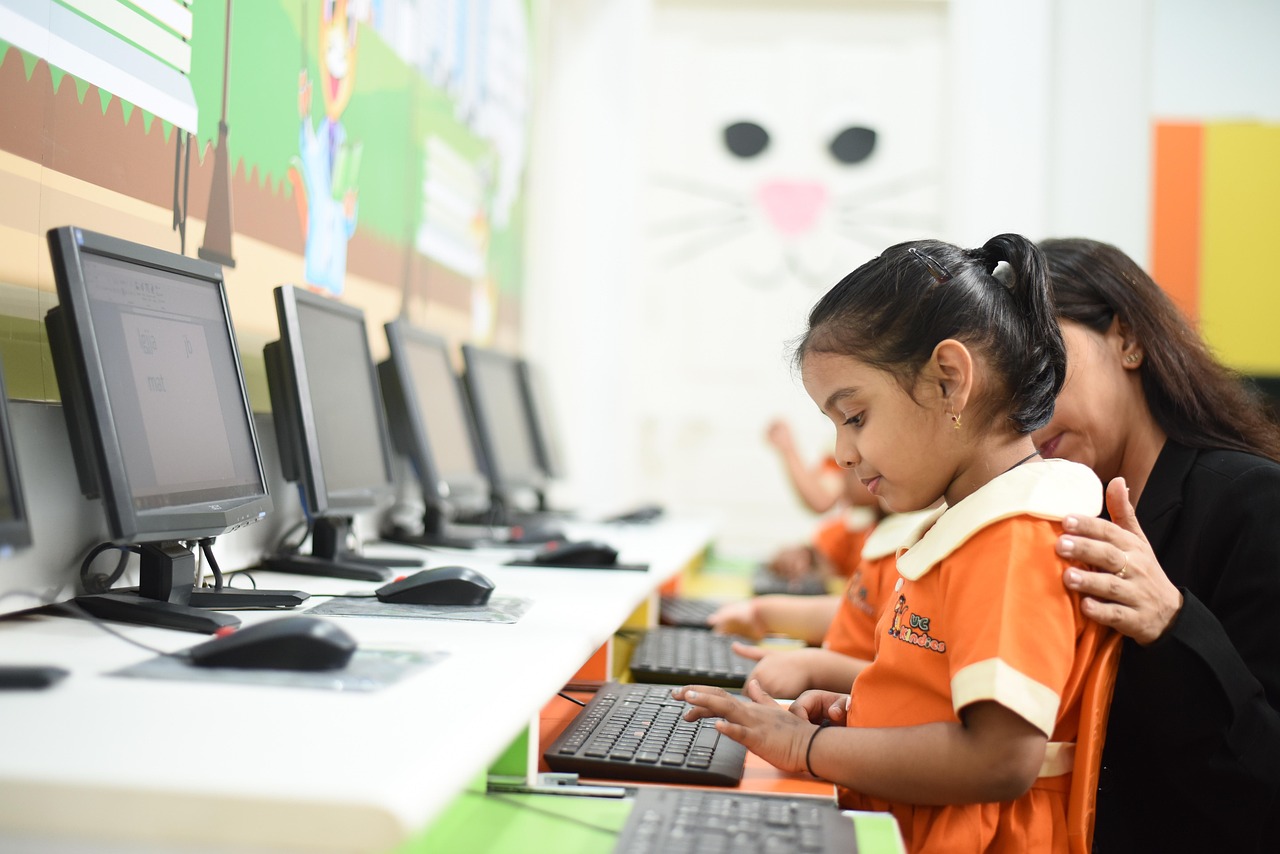
Finding a preschool and daycare center near me starts with knowing what matters most: location, licensing, and the daily experience your child will have. Search for licensed programs close to home or work, check recent inspection reports and availability, and prioritize centers that match your child’s age, routine, and learning needs.
You’ll learn how to compare daycare nearby options by program type, hours, and staff qualifications so you can narrow choices quickly. The article will also walk you through typical services and enrollment details to help you make a confident decision that fits your schedule and budget.
Choosing the Right Preschool and Daycare Center Near Me
You want a safe, stimulating place close to home or work with staff who communicate clearly and follow health and safety rules. Prioritize location, daily schedule, and how staff support learning and behavior.
Factors to Consider Before Enrolling
Look for staff-to-child ratios and teacher qualifications first. Ask for current staff credentials, background checks, and average staff tenure; lower turnover improves consistency for your child.
Inspect daily schedule and curriculum next. Does the center post a sample day with outdoor play, nap/rest times, and age-appropriate learning activities? Ask how they handle transitions, potty learning, and individualized needs.
Check health, safety, and emergency procedures. Confirm immunization and illness policies, secure entrances, staff CPR/first-aid certification, and documented emergency plans. Request their policy for food allergies and medication administration.
Visit during drop-off or pick-up. Watch interactions: do teachers greet and connect with each child? Note cleanliness, nap spaces, playground safety, and whether children seem engaged rather than idle.
Comparing Local Childcare Options
Create a simple comparison table to evaluate candidates side-by-side.
- Location & commute time
- Hours and holiday closures
- Cost, extra fees, and payment policies
- Teacher qualifications and ratios
- Daily schedule and curriculum approach
- Health, safety, and discipline policies
Use phone interviews to narrow choices, then schedule two unannounced visits at different times of day. Bring a checklist and observe consistency between what staff say and what you see.
Talk to other parents and read recent reviews, but weigh firsthand observation more heavily. Ask about waitlist length and enrollment requirements before making decisions.
Understanding Accreditation and Licensing
Licensing is a government requirement that shows the center meets basic safety and staffing standards. Ask for a copy of the current license and any recent inspection reports or violations.
Accreditation from organizations like NAEYC or state early childhood associations indicates higher program quality. Accreditation means the program meets voluntary standards for curriculum, staff training, and family engagement.
Don’t assume names imply accreditation—request documentation and ask what standards they met and when the last renewal occurred. Verify claims online when possible and ask how accreditation influences daily practice, staff development, and parent communication.
Programs and Services Offered by Nearby Centers
Nearby centers typically provide structured learning by age, strict health and safety systems, and regular family communication channels so you can compare programs and pick what fits your schedule and priorities.
Age-Specific Educational Programs
You’ll find distinct curricula for infants, toddlers, and preschoolers that match developmental milestones.
Infant rooms focus on routines, sensory play, and one-on-one caregiving with low child-to-staff ratios and individualized feeding and sleep plans. Staff track feeding and diapering times and share brief daily reports.
Toddler programs emphasize language development, social skills, and motor play. Expect short, guided activities, outdoor gross-motor time, and materials for hands-on exploration. Transitions occur with predictable schedules and visual cues to reduce stress.
Preschool classes prepare your child for kindergarten with letter and number recognition, early literacy activities, and group projects. Look for programs that use play-based learning, small-group literacy instruction, and routine assessment snapshots to monitor progress and guide teachers’ lesson planning.
Safety and Health Practices
You should confirm licensing status, staff background checks, and posted inspection results before enrolling. Centers commonly display proof of criminal record checks, first-aid/CPR certifications, and ratios required by provincial or local regulations.
Daily health screening and exclusion policies for contagious illness protect all children. Many programs follow cleaning protocols for toys and surfaces, use separate nap bedding per child, and require up-to-date immunization records or documented exemptions. Fire drills and locked-entry systems are standard.
Medication administration follows written consent and secure storage procedures. Staff often maintain incident logs and notify you immediately for injuries needing more than basic first aid. Ask to review emergency plans, evacuation maps, and the center’s policy on authorized pick-ups.
Communication with Families
Centers usually provide multiple communication channels so you stay informed and involved. Expect daily written or app-based reports for infants and toddlers and weekly summaries or portfolios for preschoolers that include photos, milestones, and sample work.
Parent-teacher meetings and progress conferences occur at least twice a year; many centers also offer informal check-ins at drop-off or pick-up. Centers often post monthly calendars and lesson plans on bulletin boards or online portals, and they send alerts for closures, illness outbreaks, or schedule changes.
You should confirm how the center handles feedback and concerns—look for a named contact, a clear grievance procedure, and regular family events or workshops. Centers that invite family input on routines or curriculum adjustments make it easier for you to partner in your child’s learning.