
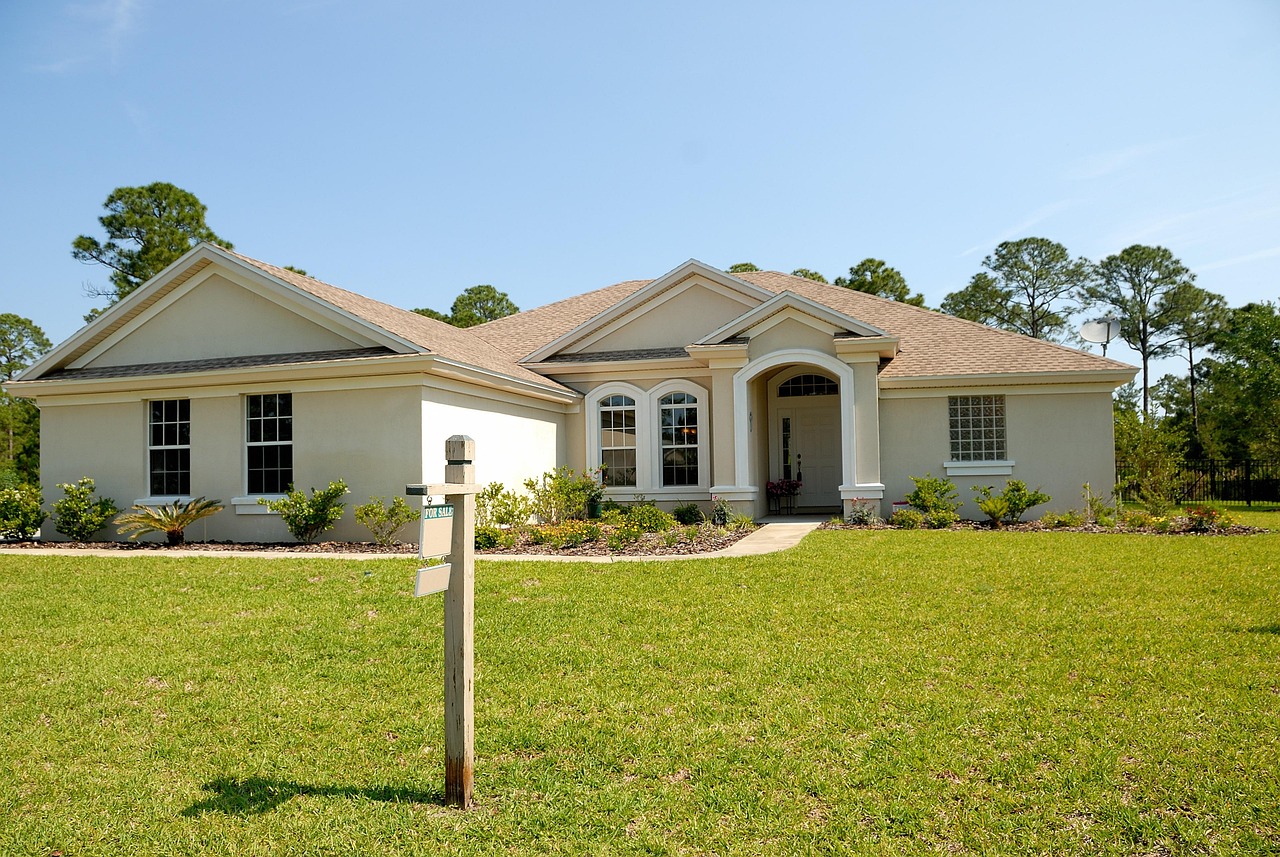
Looking for a house for rent in London Ontario? You can find a wide range of options—from affordable older homes to newer townhouses—by checking major listing sites and local MLS feeds. Expect to see hundreds of current listings across platforms, with average monthly rents around the mid-$2,000s depending on neighborhood and home type.
As you search, focus on what matters most to you: commute time, schools, yard space, and whether utilities or parking are included. This article will walk you through where to look, how to compare listings, and practical tips to make a secure, well-informed rental choice in London.
Finding the Right House for Rent in London Ontario
You’ll weigh location, home type, and price against your commute, lifestyle, and budget. Decide upfront whether proximity to Western University, Parks, or Highway 401 matters most and how many bedrooms and parking spaces you need.
Popular Neighborhoods and Areas
Look at Old North and Wortley Village if you want older homes with character, mature trees, and short walks to cafes and restaurants. These areas suit students, professionals, and small families who value walkability and quick downtown access.
Consider Masonville and Westmount for newer subdivisions, larger yards, and plaza-style shopping nearby. These neighbourhoods offer quieter streets and more parking options, which helps if you commute by car or need family-friendly schools.
If you need easy highway access, check Hyde Park and the Sunningdale area near Highway 401. These spots reduce commute time to nearby cities and have a mix of single-family homes and townhouses.
Types of Rental Homes
Single-family detached houses give you private yards, multiple parking spaces, and more storage — ideal for families or pet owners. Expect 2–4 bedrooms and full basements in many rental listings.
Townhouses and semi-detached homes offer lower rent than detached houses while keeping multiple floors and small yards. They often include assigned parking and less maintenance than a full detached property.
Basement apartments and accessory suites are cheaper and closer to $1,200–$1,800 monthly depending on size and finish. They work well if you want lower rent or a short-term arrangement, but confirm separate entrances, utilities, and egress windows for safety.
Average Rental Prices
Rental listings in London vary widely by neighbourhood and home type. As of recent market snapshots, expect studio/one-bedroom units to start near the low thousands, and two- to three-bedroom houses typically range from about $1,700 to $2,800 per month depending on location and condition.
Detached houses in desirable Westmount or Masonville often sit at the higher end of that range; older-character homes in Wortley Village can command similar rents when renovated. Basement suites and smaller accessory units can be $500–1,000 lower than full houses, but check whether utilities, parking, and laundry are included.
Tips for Renting a House in London Ontario
Know your legal rights, what to expect in an application, and practical steps for moving so you can secure a suitable rental and settle in quickly.
Lease Agreements and Tenant Rights
Read the written lease carefully and verify the landlord’s name and property address before signing. Ensure the lease specifies rent amount, due date, included utilities, length of tenancy, and any charge for late payment or returned cheques. Look for clauses about subletting, guests, and maintenance responsibilities so you know who handles lawn care, snow clearing, and repairs.
Ontario’s Residential Tenancies Act (RTA) governs most rental agreements. You have the right to a receipt for rent, privacy (reasonable notice before entry), and protections against unlawful eviction. Keep a dated copy of the signed lease and any written communication. If a landlord requests a damage deposit, confirm it’s allowed (last month’s rent is typical) and get it in writing.
Rental Application Process
Prepare documents that landlords commonly request: government ID, recent pay stubs, employment letter, references (previous landlord and employer), and a completed rental application form. Offer a cover sheet with a short bio and contactable references to make your application stand out. Expect a credit and background check; provide consent in writing and include a recent credit report if you have one.
Be ready to pay an application fee only if it’s lawful and disclosed; otherwise, avoid unnecessary charges. Have funds available for first and last month’s rent and a security deposit if required. If you have pets, include a pet reference and photos, and be upfront about breed and size to avoid disputes later.
Moving and Settling In
Schedule utilities (hydro, water if separate, internet) to start the day before your move, and transfer or set up municipal services like waste collection and parking permits where needed. Create an inventory checklist and take timestamped photos of the property on move-in to document existing damage; email copies to the landlord within 48 hours.
Arrange renter’s insurance that covers liability and personal property—many landlords require proof before you move in. Learn local transit routes, grocery stores, and nearest hospitals or clinics. If repairs arise, submit maintenance requests in writing, keep records, and follow up within reasonable timeframes.