If birds are living on your property, you need a fast, humane solution that protects your home and health. A local bird removal service can assess the problem, remove nests safely, clean droppings, and install deterrents so the birds don’t come back.
You’ll learn how to find reputable local pros through a Bird Removal Service Near Me, what humane methods look like, and which services, including inspection, cleanup, and long-term prevention, matter most for homes and businesses. This article helps you compare options and pick a qualified company that follows laws and uses effective, lasting measures.
Bird Removal Service Near Me
You’ll learn what local teams typically do, the common bird issues homeowners face, and the practical steps used to remove and prevent birds. Expect clear options, timeframes, and what you should prepare before crews arrive.
What to Expect from Local Bird Removal
Local bird removal companies usually start with a site inspection to identify species, entry points, and nesting areas. Inspectors note droppings, damaged vents, roofline nesting, and attic access; they often photograph problem spots and give a written estimate.
You should receive a proposal that lists recommended actions, timelines, and warranties or follow-up visits. Typical solutions include exclusion (netting, spikes), live capture and relocation when allowed, and sanitation services to remove droppings and disinfect contaminated areas.
Ask about licensing, insurance, and wildlife-permitting compliance in your municipality. Confirm whether the crew offers a multi-year prevention plan, and get a clear cost breakdown for labor, materials, and cleanup.
Common Bird Problems in Residential Areas
Pigeons, starlings, sparrows, and swallows are the species most likely to cause recurring problems at homes. They commonly roost on ledges, gutters, eaves, and HVAC units; nests in attics and chimneys can block ventilation and damage insulation.
Bird droppings create slippery surfaces and acidic staining on paint, siding, and metal; they also carry parasites and pathogens that raise health concerns. Nests and feathers attract secondary pests like mites and rodents, increasing repair needs.
Seasonal breeding cycles matter: you’ll see nest-building in spring and fledgling activity in early summer. Timing removal to comply with local wildlife laws and avoid active nests reduces legal and ethical risks.
How Bird Removal Services Work
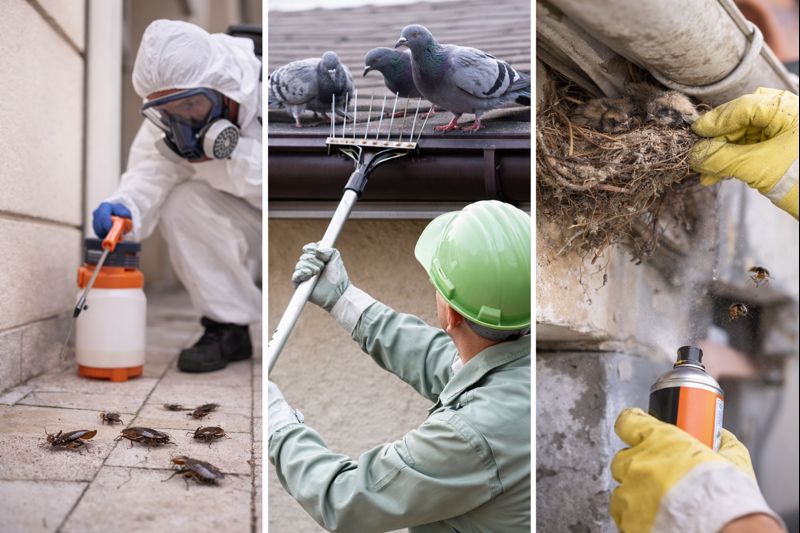
Services follow a stepwise process: inspection, exclusion/ removal, cleanup, and prevention. Inspectors locate access points and assess whether live removal is allowed; exclusion measures (netting, spikes, one-way doors) are then installed to stop re-entry.
Clean-up crews remove droppings, nests, and contaminated insulation, then disinfect surfaces to mitigate health risks. Technicians may repair vents, seal gaps, and install deterrents such as visual repellents, ultrasonic devices, or permanent hardware like stainless-steel spikes.
You should get aftercare instructions and a warranty or maintenance plan. Good providers schedule follow-up visits to confirm birds haven’t returned and to replace or adjust deterrents as needed.
Choosing a Professional Bird Removal Company
Pick a company that treats birds humanely, follows local wildlife laws, and protects your property from return visits. Check credentials, inspect the proposed methods, and compare detailed estimates before you commit.
Factors to Consider When Hiring
Look for companies that inspect the site in person and identify species, entry points, and nest locations before quoting. You want technicians who explain a step-by-step plan: removal method, exclusion work (netting, spikes, screening), sanitation, and follow-up visits.
Ask about experience with your specific problem—pigeons on ledges differ from swifts in soffits. Request references or photos of recent jobs, and confirm they provide a written warranty or guarantee against re-infestation. Ensure the crew uses humane practices and minimizes building damage while working.
Certifications and Safety Standards
Verify company licensing and insurance: general liability plus workers’ compensation protect you from damages or injuries during work. Look for affiliations with wildlife or pest control associations; those signal continuing education and adherence to industry standards.
Confirm technicians receive training in bird-specific exclusion and capture techniques, plus safe use of ladders, fall protection, and respiratory protection if cleaning droppings. Ask whether the company follows local wildlife regulations—some species require permits or specific timing to avoid nesting season violations.
Pricing and Service Packages
Request itemized estimates that separate inspection, removal labor, exclusion materials, cleanup, and any required permits. Flat rates can hide exclusions—make sure costs for scaffold or lift rental, biohazard cleanup, and follow-up visits appear clearly.
Compare at least three bids and weigh warranties: a lower price with no follow-up or short warranty often costs more long term. Consider service packages that bundle exclusion installation and annual inspections; these often reduce return visits and protect your investment.