You’ll find mining in Michigan story mixes deep history with present-day industry and future-facing metals for clean energy. Michigan helped launch U.S. copper mining in the 19th century and still produces key materials today, from iron and cement to nickel and copper used in batteries. This article will trace that arc—from historic copper strikes in the Upper Peninsula to today’s operations and their economic role.
You’ll get a clear look at how mining works now and what it means for local communities, the state economy, and environmental management. Expect concise coverage of past impacts, current practices, and the environmental considerations shaping mining’s next chapter.
History and Economic Impact of Mining in Michigan
Michigan’s mining record traces ancient copper use through 19th-century industrial booms to present-day critical minerals. The Upper Peninsula remains the focal point for metallic mining while construction materials and industrial minerals supply statewide infrastructure needs.
Early Copper and Iron Mining Era
You can trace Michigan’s mining roots to Native American copper working on the Keweenaw Peninsula around 3000 B.C., where native miners collected surface and float copper for tools and ornaments. European-American commercial mining began in the 1840s; the Marquette Range opened iron mining in 1845 and the Menominee Range began significant shipments by 1877.
Keweenaw copper production surged in the mid-1800s with deep-shaft operations, attracting immigrant labor and creating company towns. By the 1870s Michigan’s ore output exceeded one million tons, fueling Great Lakes shipping, Midwestern industry, and rail expansion. Mining drove settlement patterns, local economies, and population growth in the U.P.
Modern Mining Operations
You’ll find contemporary Michigan mining focused on both legacy metals and new critical minerals. Active operations include iron ore production in the Marquette and Gogebic areas and exploration or development projects for copper and nickel tied to battery supply chains.
Modern mines use mechanized open-pit and underground methods, with processing plants for concentrators and pelletizing where applicable. Environmental regulations, permitting timelines, and reclamation requirements now shape project economics and timelines, and companies increasingly report monitoring programs for water, air, and tailings management.
Contribution to Michigan’s Economy
You rely on mining for regional employment, especially in the Upper Peninsula, where extraction, processing, transportation, and support services sustain communities. Metallic mining—copper and iron—has historically driven local development, while construction sand, gravel, and cement supply statewide infrastructure projects.
Economic effects include direct wages, supplier contracts, and shipping revenue through Great Lakes ports. Recent demand for battery metals has renewed investment interest, potentially increasing payrolls and local tax bases. State and local fiscal impacts vary by project size, with reclamation bonds and royalties affecting long-term community benefits.
Current Mining Practices and Environmental Considerations
Michigan mines produce copper, nickel, aggregate, and critical minerals while balancing permitting, water protection, and post‑mine land use. You will find active underground and open‑pit extraction, strict state and federal compliance requirements, and growing emphasis on reclamation, water management, and community monitoring.
Active Mines and Extraction Methods
You will encounter both underground and open‑pit operations in Michigan. Historic copper districts in the Upper Peninsula still host underground methods for high‑grade copper and nickel, using mechanized drilling, blasting, and selective stoping to limit waste rock.
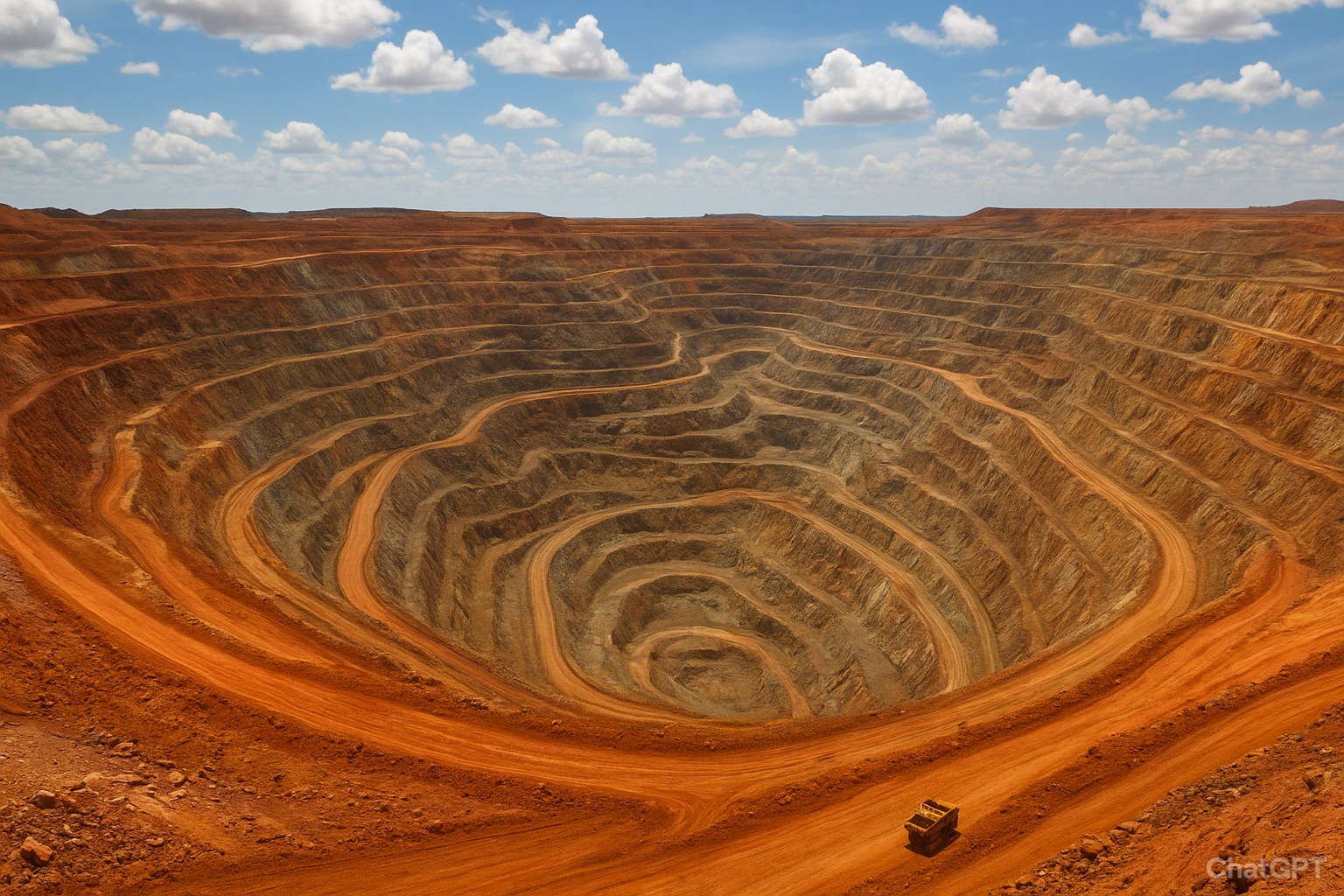
Newer projects, like those developing copper and nickel for batteries, often use open‑pit mining where ore bodies are near surface; those operations rely on staged benching, haul trucks, and on‑site crushing.
Sand, gravel, and aggregate operations use surface excavation, screening, and washing plants to produce construction materials.
You should expect ore processing to include milling, flotation, and sometimes hydrometallurgical steps for sulfide ores, with tailings and process water managed on site.
Environmental Regulations and Compliance
You must follow Michigan Department of Environment, Great Lakes, and Energy (EGLE) rules plus federal Clean Water Act and Clean Air Act permits. Permits commonly require water quality monitoring, stormwater controls, fugitive dust suppression, and limits on discharge to lakes or streams.
Companies also submit mine plans and reclamation bonds to state regulators; those documents specify waste storage, transport routes, and contingency measures.
Inspections and community reporting form part of compliance.
You should verify that operations maintain groundwater monitoring wells, sediment controls, and documented spill response plans to remain in good standing.
Reclamation and Sustainability Initiatives
Reclamation plans must restore landform stability, cover waste rock, and establish vegetation suitable for post‑mine land uses such as wildlife habitat, forestry, or industrial reuse.
You should look for financial assurance instruments—reclamation bonds or trust funds—that guarantee cleanup even if an operator leaves.
Operators increasingly adopt water management practices: closed‑loop processing, treatment wetlands, and continuous aquatic monitoring to protect streams and the Great Lakes watershed.
Many companies run community engagement, environmental monitoring programs, and educational initiatives to address local concerns and demonstrate ongoing compliance.